Cannabis Education
CBD Guide | Everything You Need to Know About CBD

Jun
CBD, which stands for “cannabidiol,” is a naturally occurring compound — often called a “cannabinoid” — derived from the Cannabis sativa plant. It is the second most abundant active ingredient found in cannabis and plays a key role in medical marijuana formulations.
As more countries across Europe and beyond move toward legalizing CBD for both medical and recreational purposes, media attention on the subject has grown enormously. It’s likely you’re curious to learn more — about what CBD actually is, its background and history, what it’s used for, who it suits, how to take it, and much more.
If you are new to cannabis, The before going into CBD, Please read The Ultimate Guide to Cannabis Products
We also have an article on What Is THC and How Does It Work?, Please read this articles to have more understanding and hence make better product choices.
Read on for answers to some of the most frequently asked questions about CBD!

What Is CBD?
To start with the basics: CBD stands for “cannabidiol” — a chemical compound naturally found in the Cannabis sativa plant. More specifically, CBD is sourced from hemp, which refers to any cannabis plant containing less than 0.3% THC by dry weight.
CBD is extracted from the hemp plant so you can enjoy the benefits of cannabis without experiencing the “high” caused by THC (tetrahydrocannabinol). This means that any CBD product you purchase will not be psychoactive — taking CBD will not leave you feeling sedated or mentally altered in any way.
CBD in Germany: A Brief Timeline
- 5500 BCE — Archaeological evidence of hemp use in Central Germany
- 1929 — Cannabis prohibited under Germany’s Opium Act
- 1971 — Cannabis classified as a controlled narcotic under the Narcotics Act (BtMG)
- 2017 — Medical cannabis legalized; Germany becomes Europe’s largest medicinal cannabis market
- April 2024 — The Cannabis Act (Cannabisgesetz, CanG) legalizes recreational cannabis use for adults

A History of CBD in Germany
CBD has not always been freely available in Germany. Understanding how the country arrived at its current legal framework helps put today’s market in perspective.
Germany’s early cannabis laws were shaped by broader international anti-drug movements. Cannabis was formally prohibited in 1929, and in 1971 it was classified as a controlled narcotic substance under the Narcotics Act (Betäubungsmittelgesetz, BtMG). For decades, possession and use carried serious legal consequences.
Archaeological evidence tells a rather different story about the deep-rooted history of hemp in the region — cannabis seeds have been discovered in funerary urns in Central Germany dating as far back as 5500 BCE. Despite this ancient connection to the plant, modern legislation kept cannabis firmly restricted for much of the 20th century.

By the 1960s and 1970s, shifting attitudes among younger generations began challenging the status quo across Europe, including in Germany. Growing demand for cannabis and increasing calls for reform eventually opened the door to policy discussions at both national and international levels.
The real turning point came in 2017, when Germany introduced new legislation permitting the use of cannabis for medical purposes. This made Germany one of the most progressive countries in Europe on the issue, and the country quickly grew into the continent’s largest medicinal cannabis market — with prescriptions rising from roughly 1,000 patients at the outset to hundreds of thousands within just a few years.
Then, in a landmark move, April 1, 2024 saw the Cannabis Act (Cannabisgesetz, CanG) come into force, making Germany the first major EU member state to legalize recreational cannabis use for adults. Under this legislation, adults may possess and carry up to 25 grams of cannabis and are permitted to cultivate a limited number of plants for personal use. It is estimated that around 4.5 million Germans currently use cannabis.

The Legal Landscape
CBD is regulated as a controlled substance at the international level, but Germany’s framework — shaped both by national law and EU regulations — makes CBD products widely accessible to consumers and businesses.
Under German and EU law, CBD products are legal to buy and sell provided they contain less than 0.2% THC. This has helped foster a rapidly growing CBD market, particularly in urban centres like Berlin, where CBD-infused oils, capsules, cosmetics, and beverages are now readily available in specialist retailers, pharmacies, and even some convenience stores.
The regulatory body overseeing the cannabis sector in Germany is the Federal Institute for Drugs and Medical Devices (BfArM), which works in conjunction with EU-level frameworks to ensure product safety and compliance. Any business wishing to manufacture, distribute, or sell CBD products in Germany must operate within this framework and meet strict quality and licensing standards.
Key areas covered by regulation include:
- The quality and labelling standards required for CBD products
- Where and how licensed retailers may operate
- Rules ensuring CBD products are not marketed toward minors
- Import and export requirements for cannabis-derived products
Anyone looking to grow hemp or process CBD products commercially will need to obtain the relevant federal licences. Operating without the appropriate licences can result in severe penalties.
The Effects and Benefits of CBD
If you’re thinking about trying CBD, naturally you’ll want to know what it can actually do. Here are some of the most widely reported medicinal benefits of quality CBD products.
Chronic Pain Relief
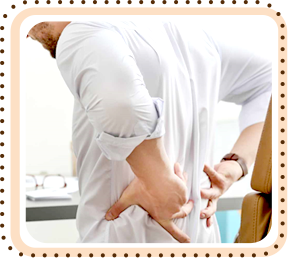
One of the most common reasons people turn to CBD is for relief from persistent pain. Conditions like arthritis, muscle injuries, migraines, and back pain are frequently cited by CBD users seeking an alternative or complement to conventional pain management. Many people who use CBD for pain opt for products that also contain THC, which some report provides more effective relief.
 Anxiety Relief
Awareness of mental health has grown significantly in recent years, and so too has interest in natural approaches to managing anxiety. CBD may help by influencing how the brain’s ECS receptors respond to serotonin, which can ease some of the day-to-day symptoms of anxiety disorders. There are various CBD products formulated with anxiety relief in mind — your doctor can advise on the most appropriate type and dosage for your situation.
Relief from Chemotherapy Side Effects

CBD is also commonly used by cancer patients undergoing chemotherapy to help manage the harsh side effects of treatment, such as nausea, vomiting, fatigue, and unwanted weight loss. By alleviating some of these symptoms, CBD can make the treatment process more bearable.
Epilepsy
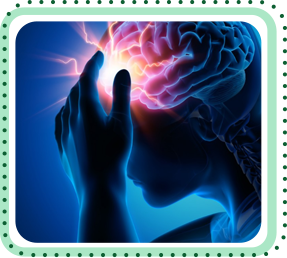
Though epilepsy affects a smaller portion of the population, CBD has shown promise as an anti-seizure treatment. If you are considering using CBD to help manage epileptic seizures, it is essential to speak with your doctor first, as they can guide you toward the most suitable products and dosages for your needs.
Popular CBD Products
CBD comes in many different forms, and what works best for one person may not suit another. You may need to experiment a little before finding your preferred option. Here’s a rundown of the most popular types currently available.
CBD Oils and Tinctures
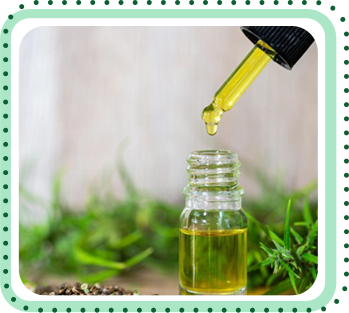
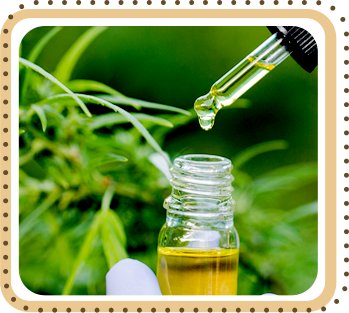
CBD oils — sometimes also called tinctures — are the most widely used CBD products in Germany. In simple terms, a CBD oil is CBD combined with a carrier oil (such as coconut oil or hemp seed oil), which helps it absorb into the bloodstream more efficiently. Oils come in varying concentrations, so it’s worth checking the potency before purchasing.
You’ll typically see one of three extract options:
- Isolate — contains only CBD and the carrier oil; no other cannabis compounds
- Full-Spectrum — includes other cannabis plant compounds, including THC
- Broad-Spectrum — includes other cannabis compounds but contains no THC, so carries no psychoactive effects
Many CBD oils also include flavourings and sweeteners to make them more pleasant to take, as CBD naturally has a somewhat bitter taste.
CBD Topicals
Rather than being ingested, CBD topicals are applied directly to the skin. These work because the skin contains endocannabinoid receptors that bind with CBD and allow it to be absorbed into the bloodstream. Topicals are particularly popular with people looking for targeted relief from pain or for soothing skin conditions such as psoriasis or acne. Balms and vapour rubs are among the most common formats.
CBD Transdermal Patches
Similar in principle to topicals, transdermal patches release CBD slowly and steadily through the skin over an extended period — making them a good option for those managing chronic pain or ongoing anxiety. It’s best to apply patches to areas with good blood flow close to the skin’s surface, such as the wrists or ankles, and to rotate placement with each new patch to maximise absorption.
CBD Capsules and Tablets
For those who prefer a straightforward routine, CBD capsules and tablets can simply be taken alongside your other daily supplements or medications. They come in a wide range of concentrations, are quick to take, and leave no aftertaste. They typically come in two main forms: CBD oil-filled capsules, and powder-based capsules.
CBD Concentrates
CBD concentrates contain particularly high levels of CBD and are available as shatter, wax, crumble, budder, or resin. They are typically consumed by “dabbing” — a process using a specialist rig to inhale CBD in vapour form, which allows for fast absorption. While the initial investment in equipment can be higher, many users find the rapid effects well worth it.
CBD Extracts
CBD extracts are oil-based and vary in colour from golden honey tones to dark red. They are generally used for medicinal rather than recreational purposes and contain CBD isolate, fatty acids, and terpenoids. CO2 extraction is used to achieve a high level of purity. Extracts are usually supplied in a syringe-style dispenser with clear dosage markings.
CBD Isolates
CBD isolates are the purest form of CBD available — all other compounds, including THC and terpenes, are removed during processing. The result is a white, crystalline powder that is typically over 99% pure CBD. This is the ideal option for anyone who wants to completely avoid THC. Note that higher doses may be needed compared to full or broad-spectrum products to achieve the same effect.
CBD Edibles
CBD edibles have surged in popularity across Germany in recent years. CBD gummies remain the most popular choice, loved for their convenience and pleasant taste — particularly for those with a sweet tooth.
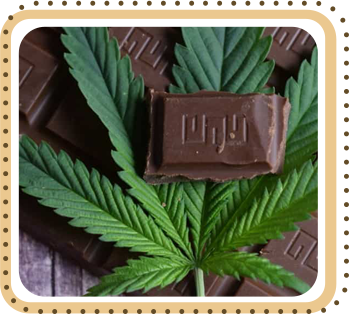
CBD chocolates are also growing in popularity as awareness spreads. As with all cannabis products in Germany, CBD edibles should only be purchased and consumed by adults.
You can also prepare your own CBD edibles at home; baked goods like cookies and brownies are a favourite, and countless recipes are freely available online. Do keep in mind that edibles are a slow-release method, as the CBD must pass through the digestive system before entering the bloodstream — and slightly higher concentrations may be needed to account for this.
CBD Drinks
The growing popularity of CBD edibles has paved the way for a range of CBD drinks. Because CBD is hydrophobic (it doesn’t mix naturally with water), recent advances in extraction techniques have made CBD-infused drinks possible. Options now include CBD teas, sodas, juices, and a variety of other soft drinks, as well as powdered CBD that can be mixed with water at home.
Like edibles, CBD drinks are a slow-release option, as the drink must be digested before the CBD enters your system.
CBD Vape Pens
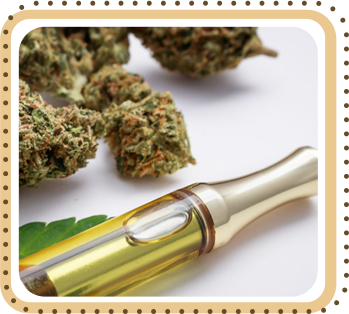 Vaping has become increasingly popular across Europe, and CBD vape pens combine standard vaping technology with CBD isolate. When the isolate is heated, you simply inhale the vapour — offering one of the fastest routes to experiencing CBD’s effects, much quicker than edibles or drinks.
If you’re new to CBD vaping and want to try it without a major investment, disposable CBD vape pens are a low-cost option. They come ready to use and can be discarded afterwards, giving you a good sense of whether this method suits you.
CBD Skin and Hair Products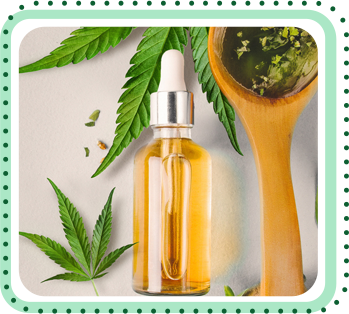
Much like topicals, CBD skin and hair products are applied externally and absorbed through the skin. They are available in full-spectrum, broad-spectrum, and isolate versions, and come in a wide variety of concentrations. Popular formats include lotions, creams, moisturisers, shampoos, conditioners, hair masks, cleansers, balms, and beard oils.
Note that cosmetic products containing CBD are legally marketable in Germany provided they comply with EU Cosmetics Regulation (EC) No 1223/2009.
CBD Oral Sprays
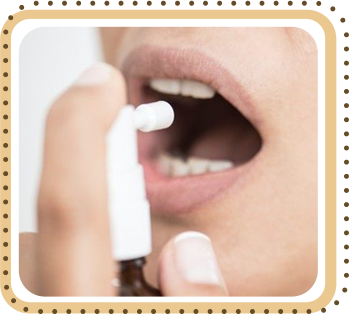 Following the lead of vitamin sprays, CBD oral sprays offer a convenient alternative to oils and capsules. These come in a small bottle with a spray nozzle and are typically flavoured to improve palatability. You spray the CBD directly into the mouth — usually inside the cheek — according to the dosage instructions, and it enters the bloodstream in a similar way to CBD oils.
Does CBD Have Any Side Effects?
For most people, yes — though the specific side effects will vary from person to person, and the only way to know how your body responds is to try it yourself.
Some users report feeling slightly “high” even from CBD isolate products that contain no THC. This is still being studied by researchers and is not experienced by everyone.
Digestive discomfort, including diarrhoea, is another commonly reported side effect, particularly with products that pass through the digestive system — such as edibles, oils, and sprays. If this affects you, switching to a topical product or transdermal patch may be worth trying.
Fatigue is also possible; some users feel tired or drowsy after taking CBD. If this happens to you, consider timing your CBD use for the evening or at a time when rest is practical. Making sure your diet and eating schedule remain consistent is also a good idea to maintain your overall wellbeing.
Where Can You Buy CBD in Germany?
The German CBD market has expanded considerably in recent years, with products now widely available in specialist CBD shops, pharmacies, health food stores, and online retailers. As demand grows, so does the number of sellers — so doing your research before purchasing is important.
Always buy from reputable suppliers Like Pure High Dispensary who operate within German and EU regulatory frameworks. This ensures you’re getting safe, tested, and accurately labelled products.
If you’re looking for guidance on the best CBD products for your needs, don’t hesitate to speak with one of our knowledgeable team members. At Pure High Dispensary, We stock a wide range of high-quality CBD products and are happy to help you find the right option for your lifestyle and requirements.
A Final Note
As you can see, there’s a great deal to understand about CBD — but the more informed you are, the better placed you’ll be to make the right choices for your own health and wellbeing. While CBD is not a cure for any specific condition, it offers meaningful relief for many people and is enjoyed by millions across Europe and the world.
In Germany, CBD is now legal, widely accessible, and backed by a growing body of research after the cannabis act of April 1st 2024. We hope this guide has given you a solid foundation for exploring what CBD could offer you.